


Why Is an E-Commerce Website the Center of Revenue?
An e-commerce website is not just a digital showroom; it is a revenue engine where every millisecond impacts conversion. If shoppers cannot locate items via faceted filters, encounter vague shipping policies, or face a complicated checkout process, carts get abandoned regardless of advertising spend. Most revenue leaks happen at catalog and payment friction points, not in ads.
That is why we never rely on off-the-shelf, bloated themes. We first clarify product variants, stock rules, payment gateways, and logistics integrations. Then, we architect search-intent category taxonomy, high-converting product page trust factors, and a streamlined one-step checkout flow.
You can learn more about search optimization in our ecommerce SEO service and compare platform strategies in our digital marketing guides.
The Seobify Difference in E-Commerce
Instead of bloated stores burdened by redundant plugins, we build clean, lightning-fast, secure, and conversion-engineered e-commerce infrastructures.
Native SEO Architecture
Faceted navigation rules, canonical tags, clean category hierarchy, and schema markup (Product & AggregateOffer) are built directly into the core.
Zero Checkout Friction
Guest checkout, auto-completing address forms, and frictionless payment flows engineered to slash cart abandonment rates.
End-to-End Integrations
Stripe, PayPal, global payment gateways, shipping carrier APIs, and ERP/marketplace multi-channel inventory sync.
Rigorous Testing & Launch Security
Pre-launch transaction audits with real cards, refund workflow testing, automated transaction emails, and SSL security validation.
Who Needs Our E-Commerce Development?
Businesses looking to free themselves from high marketplace commissions and build their own loyal customer base with an owned brand storefront.
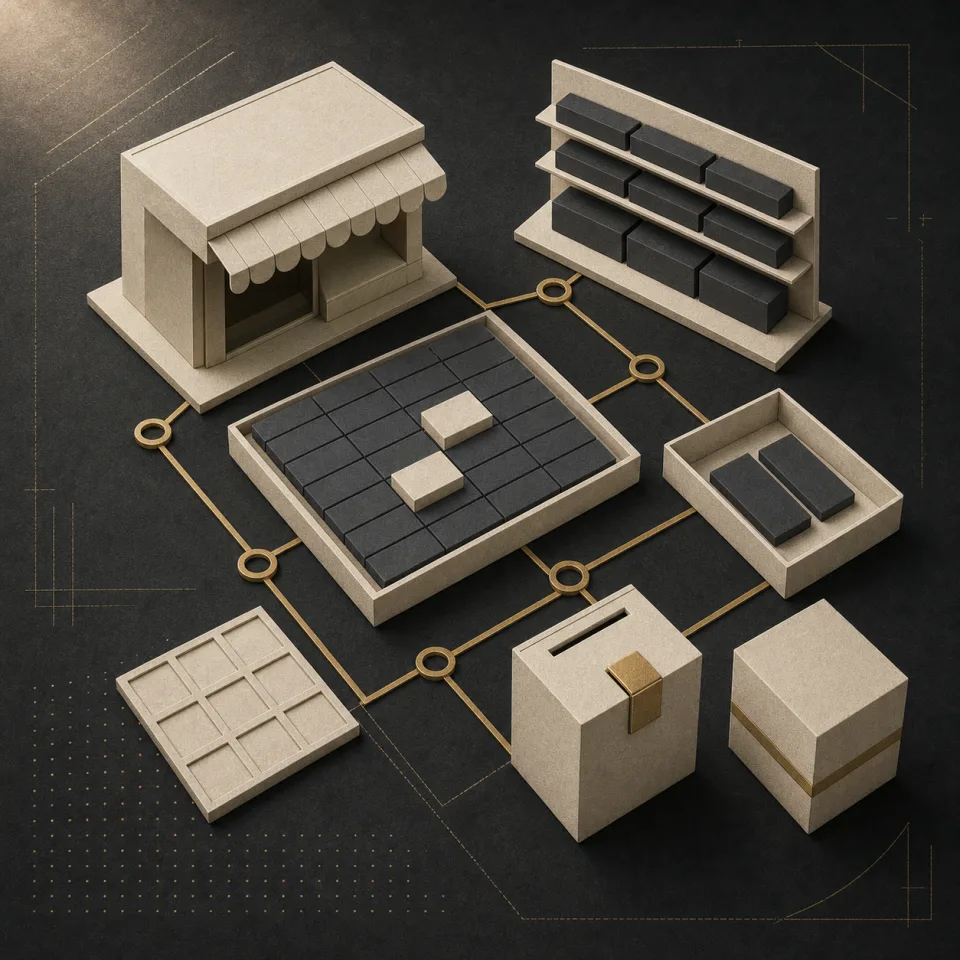
Marketplace Sellers Launching Their Own Store
Sellers on Amazon, eBay, or Etsy seeking to reduce marketplace commission fees and cultivate brand equity on their own custom domain.

Businesses with Complex Variants or B2B Pricing
Companies requiring multi-tiered wholesale pricing, custom quotation gates, bulk ordering, and advanced inventory matrix rules.
Brands Upgrading Legacy E-Commerce Systems
Store owners migrating to Shopify or WooCommerce while safeguarding years of organic search ranking equity and customer order history.
Selecting the Right Platform for Your Model
We do not choose platforms based on hype; we match the system to your SKU volume, operational workflows, and revenue targets:
What You Receive in an E-Commerce Project
Every store deliverable is contractually defined, turnkey, and verified across staging before public deployment.
- 01Scalable Catalog & Taxonomies
Hierarchical category structure, faceted navigation logic, and search-friendly URL slugs.
- 02Mobile-First UI/UX & Checkout Flow
High-converting product detail templates, slide-out carts, and fast single-page checkouts.
- 03Payment Gateway & Shipping Integration
Stripe, PayPal, regional payment systems, and carrier tracking webhook automations.
- 04Technical SEO, Schema & Speed Optimization
Structured schema (Product, AggregateOffer, BreadcrumbList) and sub-second page loads.
- 05Advanced GA4 E-Commerce Tracking
Complete funnel analytics: view_item, add_to_cart, begin_checkout, and purchase events.
Drive organic search visitors with our e-commerce SEO solutions, and accelerate customer acquisition via Google Ads management.
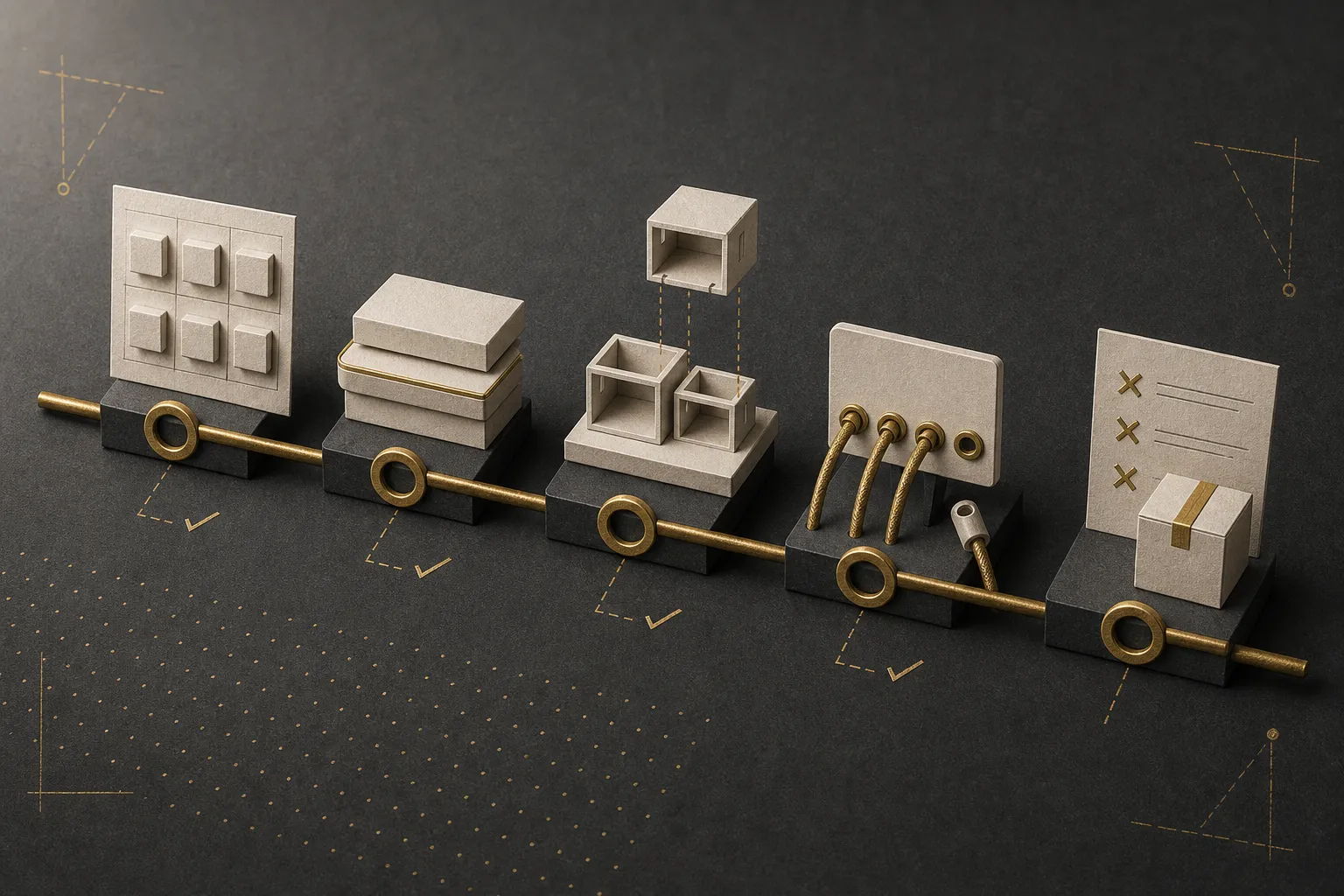
Our E-Commerce Development Roadmap
A proven 5-stage engineering workflow focused on security, speed, and conversion rate maximization:
Inventory & Needs Discovery
Catalog taxonomy, SKU variations, shipping tiers, and payment gateway specifications.
Architecture & Stack Decision
Selection of Shopify, WooCommerce, or headless setup along with URL structures.
UI/UX & Mobile Design
Responsive product detail templates, faceted filters, and streamlined checkout layouts.
Integrations & Payments
Payment gateways, shipping APIs, tax calculations, and GA4 revenue tracking.
End-to-End Testing & Launch
Live test orders, 301 redirect map verification, SSL audit, and client dashboard training.
How Do Technical SEO and Store Development Align?
Foundational technical SEO must be integrated into store development from day one: clean URL hierarchies, automated XML product sitemaps, breadcrumb pathways, and rich product schema tags. Launching without these foundations severely limits search visibility and hurts ad quality scores.
Post-launch, ongoing ecommerce SEO consulting expands organic rankings through category content optimization, crawl budget control for faceted filters, and competitive keyword strategy.
Should You Choose WooCommerce or Shopify?
WooCommerce is ideal for companies that demand full code ownership, deep custom integrations, and zero platform transaction cuts. Shopify offers an effortless hosted ecosystem with zero server maintenance, ideal for teams prioritizing speed to market and standardized global payments.
How E-Commerce Project Pricing is Determined
Pricing is determined by catalog scale, variant depth, payment and shipping integrations, custom UI design requirements, and legacy data migration needs.
Request a tailored store quote →Frequently Asked Questions About E-Commerce Development
How long does it take to launch an e-commerce website?
Depending on catalog size, data migration, and third-party integrations, a typical custom e-commerce store is ready in 3 to 6 weeks.
Which payment gateways and currencies can be integrated?
We integrate Stripe, PayPal, and regional virtual POS solutions, supporting multi-currency checkouts and automated 3D Secure verification.
Are legal policies, terms, and privacy compliance included?
Yes, we configure cookie consent banners, terms of service, privacy disclosures, and refund policy checkboxes into the checkout flow.
Will migrating our existing store hurt our SEO rankings?
No. We map every legacy URL to the new architecture using permanent 301 redirects, safeguarding indexed rankings and organic revenue.
Turn your e-commerce store into a high-converting sales engine
Share your product range, technical requirements, and growth targets. Let's engineer the ideal e-commerce infrastructure for your brand.